If you are facing an arrest warrant or are concerned about the possibility of one being issued against you, it is essential to understand the legal processes involved. This article explores various aspects surrounding arrest warrant issues, including how to address them effectively and where to find help with arrest warrant issues if needed.

What is an Arrest Warrant?
An arrest warrant is a legal document issued by a judge or magistrate that authorizes law enforcement officers to arrest an individual. Arrest warrants are typically issued when there is probable cause to believe that a person has committed a crime. The warrant outlines the charges against the individual and provides law enforcement with the authority to detain them.
The Process of Issuing an Arrest Warrant
The process begins when law enforcement officers present evidence or testimony to a judge. If the judge finds the evidence compelling enough, they will issue a warrant. This process varies by jurisdiction but generally requires:
- Presentation of evidence: Law enforcement must provide sufficient evidence to establish probable cause.
- Judicial review: A judge reviews the evidence and makes a determination.
- Issuance of the warrant: If the judge is satisfied, they will sign the warrant, authorizing the police to locate and arrest the individual.
Common Reasons for Arrest Warrants
Arrest warrants can stem from various situations, including:
- Criminal charges: Individuals may have warrants issued against them for felonies or misdemeanors.
- Failure to appear: If someone does not show up for court appearances, a warrant may be issued.
- Probation violations: Failure to comply with probation terms can lead to a warrant.
- Domestic disputes: In cases of domestic violence or other family-related issues, warrants may be issued.
Understanding the Implications of a Warrant
Having an arrest warrant issued against you can significantly impact your life. Some of the implications include:
- Incarceration: If arrested, you will face potential detention while awaiting trial.
- Criminal record: An arrest can lead to a permanent criminal record, affecting future employment opportunities.
- Legal costs: Dealing with arrest warrants can incur significant legal fees.
- Stress and anxiety: The uncertainty and fear of arrest can take a toll on your mental health.
Steps to Take If You Have an Arrest Warrant
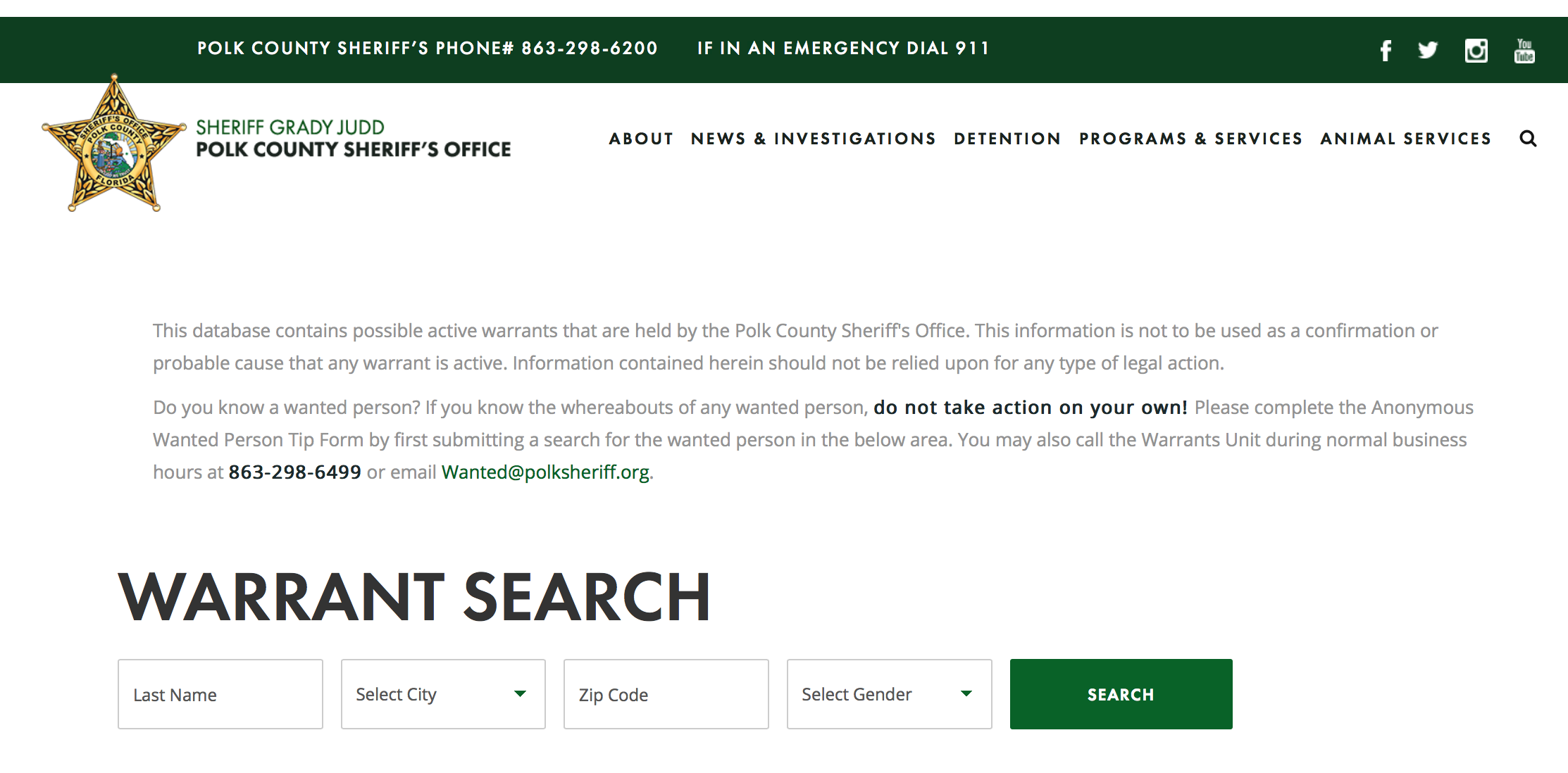
1. Verify the warrant: First and foremost, ensure that the warrant is valid. You can do this by contacting local law enforcement or checking online databases.
2. Consult with a lawyer: It’s crucial to seek legal advice as soon as you become aware of an arrest warrant. A lawyer can guide you through the process and help protect your rights.
3. Do not confront law enforcement: If you suspect there is a warrant out for you, avoid confronting police officers. Instead, arrange for a lawyer to negotiate on your behalf.
4. Consider voluntary surrender: In some cases, it may be beneficial to voluntarily surrender to authorities. Your lawyer can advise if this is a good option based on your situation.
Defending Against an Arrest Warrant
There are several valid defenses that an individual may raise against an arrest warrant:
- Lack of probable cause: One common defense is to challenge the evidence presented that led to the warrant’s issuance.
- Violation of rights: If your rights were violated during the warrant’s execution, this could invalidate the warrant.
- Alibi: Providing a credible alibi can also serve as a defense if you can prove you were elsewhere when the crime occurred.
Conclusion
Dealing with an arrest warrant can be a daunting experience, but understanding your rights and options can make a significant difference. It is essential to remain calm, seek legal assistance, and know the facts related to your situation. Regardless of the severity of the charges, there are pathways available to help you navigate through this challenging time. Always keep in mind that support, resources, and legal help are available to address help with arrest warrant issues.