
Essential Advice for Navigating OFAC Regulations and Avoiding Penalties
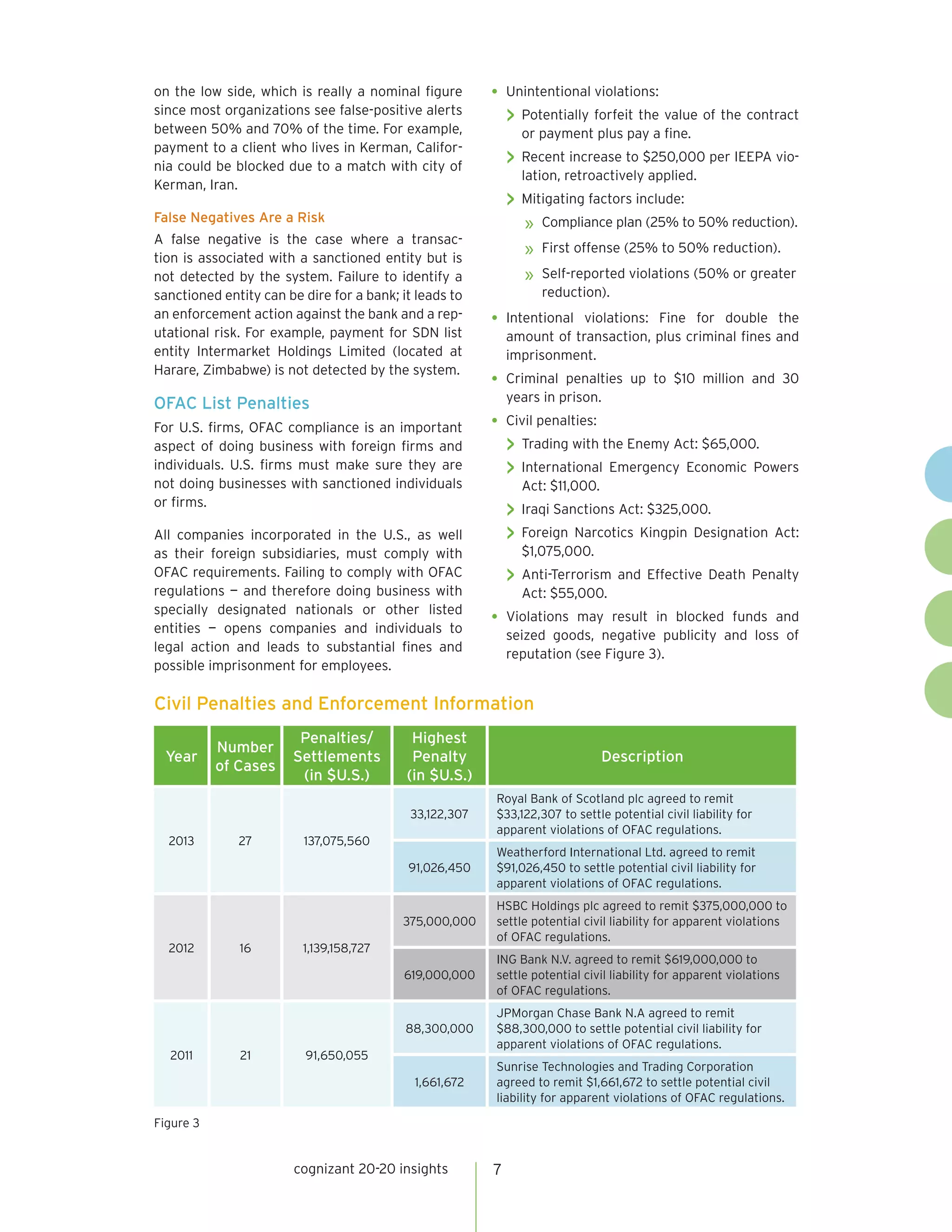
Compliance with the Office of Foreign Assets Control (OFAC) regulations is crucial for businesses engaged in international trade and finance. Failure to comply can lead to severe penalties, fines, and harm to your company’s reputation. This article provides essential advice on OFAC-related issues that will help you understand the importance of compliance, identify potential risks, and implement effective measures to mitigate those risks.
Understanding OFAC Regulations
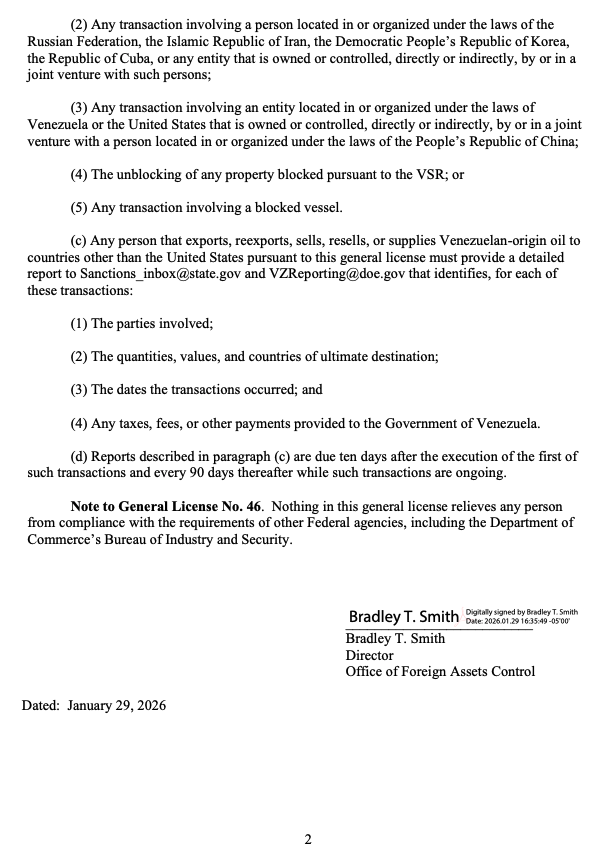
The Office of Foreign Assets Control, a financial intelligence and enforcement agency of the U.S. Department of the Treasury, administers and enforces economic and trade sanctions based on U.S. foreign policy and national security goals. These sanctions target specific countries and regimes, as well as individuals and entities associated with criminal activities or terrorism.
Types of Sanctions
OFAC issues a variety of sanctions, which can generally be categorized as:
- Comprehensive Sanctions: These sanctions prohibit all economic activity with certain countries (e.g., North Korea, Iran).
- Specific Sanctions: These involve targeted measures against individuals or entities, such as asset freezes and travel bans.
- Sectoral Sanctions: These restrict specific sectors of the economy, such as finance, energy, or defense, within certain countries.
Importance of Compliance
Ensuring compliance with OFAC regulations is not just a legal obligation; it also plays a vital role in maintaining a positive business reputation and securing international partnerships. Violations can result in hefty fines, which can amount to millions of dollars, and may result in the loss of licenses or the ability to continue certain business activities.
Best Practices for Avoiding OFAC Violations
To mitigate the risk of OFAC violations, businesses should adopt best practices that include:
1. Conducting Risk Assessments
Regularly assess the geographical and operational risks associated with your business. Identify any potential transactions involving sanctioned countries or individuals, and put measures in place to avoid these interactions.
2. Implementing an Effective OFAC Compliance Program
Your compliance program should include the following elements:
- Policies and Procedures: Develop and document clear policies that detail how to manage OFAC compliance.
- Screening Procedures: Use automated systems for screening clients, suppliers, and third-party partners against OFAC’s list of Specially Designated Nationals and Blocked Persons (SDN).
- Employee Training: Regularly train employees on OFAC regulations and compliance protocols to ensure they understand the importance of adherence.
- Record-Keeping: Maintain accurate records of transactions and compliance efforts to demonstrate adherence to OFAC regulations.
3. Monitoring Changes in Sanctions
The geopolitical landscape can change rapidly, resulting in updated sanctions lists and regulations. Stay informed of any changes by regularly reviewing OFAC guidance and following news updates relevant to your industry. Resources such as newsletters or OFAC’s website can provide valuable insights.
4. Engage with Legal Advisors
Consulting with legal advisors experienced in OFAC regulations can provide tailored guidance specific to your business needs. They can help you interpret compliance requirements, establish protocols, and navigate complex scenarios that may arise.
Responding to Potential Violations
If you suspect that your business may have inadvertently engaged in a transaction that violates OFAC regulations, it is critical to act quickly. Here are steps to take:
1. Cease Transaction Activity
Immediately halt any ongoing transactions that may be noncompliant to minimize potential penalties.
2. Assess and Document the Situation
Conduct a thorough investigation to understand the nature of the violation, documenting all relevant information, including how the breach occurred.
3. Notify Authorities if Necessary
If a violation has occurred, consider seeking legal advice regarding the appropriate steps for self-disclosure to OFAC. Providing necessary details can demonstrate good faith efforts to comply with regulations.
Conclusion
Compliance with OFAC regulations is paramount for businesses operating in today’s global environment. By understanding the intricacies of OFAC sanctions and implementing strong compliance practices, you can minimize the risk of violations and penalties. Education, vigilance, and legal counsel are crucial components in maintaining compliance and fostering a trustworthy business reputation.