
Essential Advice on Navigating OFAC Compliance and Avoiding Violations
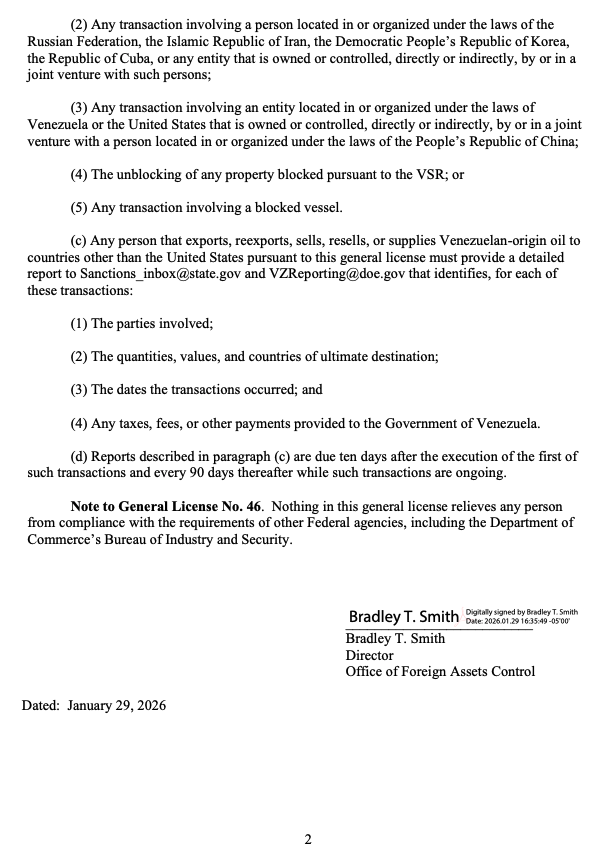
The Office of Foreign Assets Control (OFAC) is a crucial agency within the U.S. Department of the Treasury that administers and enforces economic and trade sanctions against targeted foreign countries and regimes, terrorists, international narcotics traffickers, and other threats to national security. Given the implications of non-compliance, it is essential for businesses and individuals to understand the applicable regulations and the potential risks involved. In this article, we offer comprehensive advice on OFAC-related issues to help navigate compliance effectively.
Understanding OFAC Regulations
OFAC’s regulations are complex and can often vary based on the evolving political landscape. These regulations can impose restrictions on transactions and dealings with specific countries or entities that are designated as threats. Understanding which sanctions are in place is paramount for any business engaging in international trade or dealing with foreign entities. Compliance requires regular monitoring of both the OFAC Specially Designated Nationals (SDN) list and the Consolidated Sanctions List.
Conducting Risk Assessment
To avoid violations, a thorough risk assessment is necessary. This process involves identifying which areas of your business are at risk for OFAC violations. The assessment should evaluate your customer base, suppliers, and any countries where you do business. By categorizing the risk level associated with different entities, businesses can prioritize their compliance efforts accordingly.

The Importance of Due Diligence
Performing due diligence is essential in ensuring compliance with OFAC regulations. This entails verifying the identities of customers and vendors to ensure that they are not listed on the SDN list or subject to other sanctions. Implementing robust Know Your Customer (KYC) protocols can significantly reduce the risk of inadvertently engaging with sanctioned individuals or entities.
Training and Awareness Programs
Employee training is another vital component of a strong compliance program. Staff should be educated on identifying red flags that
may indicate a potential OFAC violation. Awareness programs ensure employees understand not only the regulations but also the importance of compliance in safeguarding the reputation and financial standing of the business.
Implementing Compliance Programs
Establishing a compliance program tailored to your business is crucial. Such a program should encompass policies and procedures designed to counter OFAC violations. Regular audits of transactions, customer due diligence efforts, and compliance training can help ensure that the program remains effective and up-to-date with current regulations.
Utilizing Technology for Compliance
Today, businesses can leverage technology to enhance their compliance efforts. Various software solutions can automate the process of screening transactions against the OFAC lists and flagging any potential matches. This technology minimizes human error and improves the speed at which organizations can react to potential compliance issues.
Developing a Response Plan
It is prudent for businesses to develop a risk response plan that outlines steps to be taken in the event of a compliance issue. This plan should include procedures for investigating potential violations, reporting issues to the authorities, and implementing corrective actions where necessary. Having a structured response plan can help mitigate the repercussions of a violation.
Regularly Reviewing and Updating Policies
Compliance is not a one-time task; it requires ongoing attention. Regular review and updates of compliance policies and procedures are essential to adjusting to any changes in OFAC regulations or business operations. This ensures that the compliance program remains effective and relevant.
Consulting with Legal Experts
Engaging legal experts knowledgeable about OFAC regulations is a smart move for any organization. Lawyers specializing in sanctions and compliance can provide valuable insights and guidance tailored to your specific business needs. They can help navigate the complexities of the regulations and offer support in developing a robust compliance program.
Conclusion
Compliance with OFAC regulations is critical for businesses operating internationally. By understanding the regulations, conducting thorough risk assessments, implementing comprehensive compliance programs, and seeking expert advice, organizations can minimize the risk of violations and associated penalties. Using the advice provided in this article, businesses can better navigate the complexities of OFAC compliance and protect themselves from potential legal issues.