
Understanding and Navigating Burma Sanctions: A Comprehensive Guide
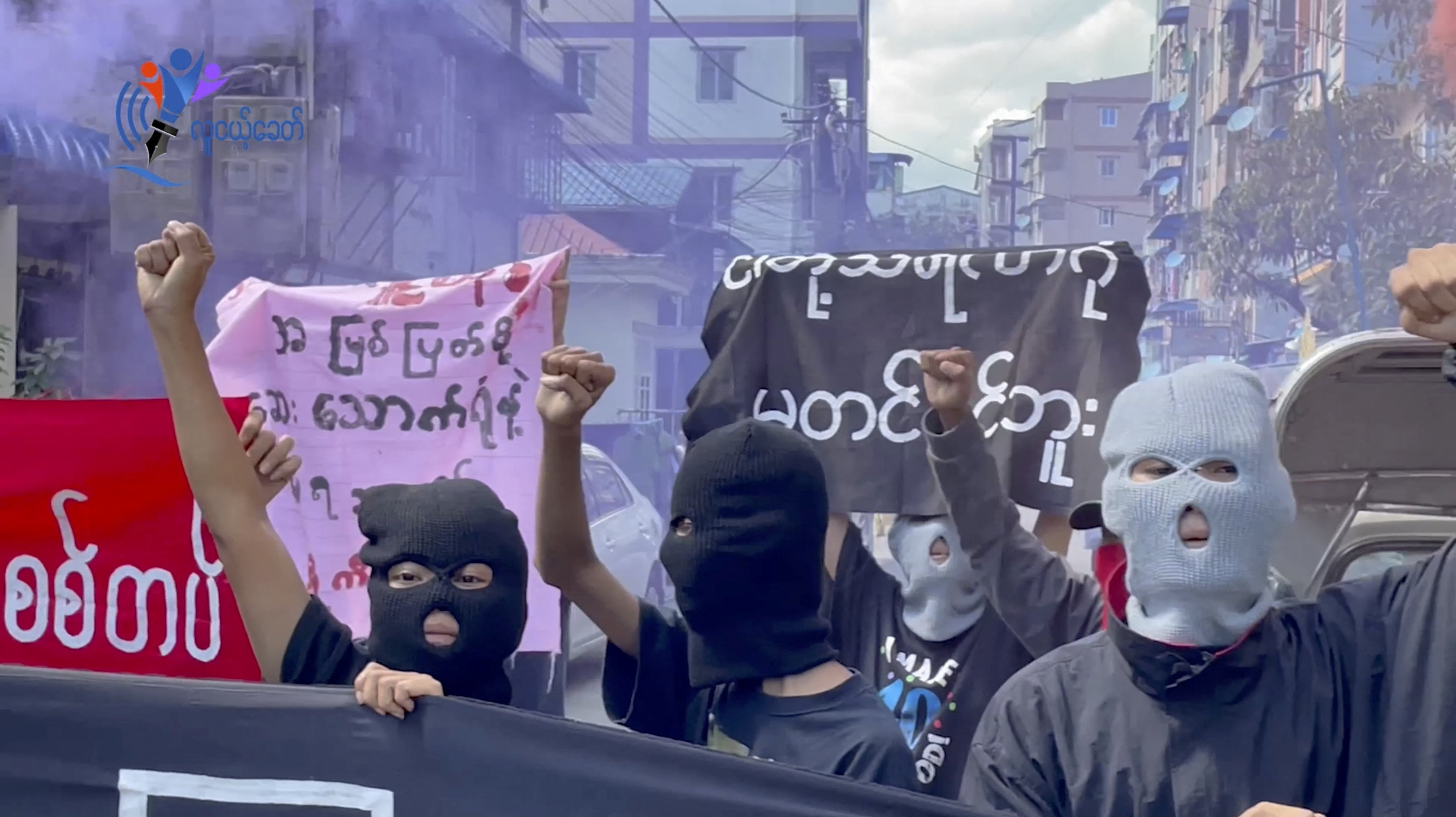
In recent years, Burma (Myanmar) has been subject to various sanctions aimed at promoting human rights and democracy while discouraging military aggression and authoritarian rule. These sanctions can pose significant challenges for companies operating in or dealing with Burma. It is crucial for businesses, policymakers, and individuals to understand the implications of these regulations. This article provides comprehensive guidance on Burma sanctions, focusing on legal restrictions, compliance requirements, and best practices for navigating these complex regulations.
The Evolution of Sanctions on Burma
Sanctions against Burma have a long and complicated history. Initially imposed in the late 1980s due to human rights abuses and political repression, these sanctions have evolved over time in response to changes in the political landscape. The United States, the European Union, and other countries have implemented measures that range from trade restrictions to asset freezes targeting specific individuals and entities associated with the military regime.

In 2012, Burma began to undergo significant political reforms, leading many countries to ease restrictions temporarily. However, the military coup in February 2021 reversed these reforms, prompting renewed sanctions from Western nations aimed at holding the military accountable for its actions.
Key Legal Restrictions
Sanctions against Burma typically include a range of legal restrictions that can affect different sectors, including finance, trade, and investment. Understanding these restrictions is vital for compliance. Key legal restrictions consist of:
- Asset Freezes: Sanctions may include asset freezes on individuals and entities associated with the military government, prohibiting U.S. or EU persons from engaging in any transactions that involve these entities.
- Trade Embargoes: Certain goods and services may be prohibited from being exported to, or imported from, Burma. These often include arms, military goods, and specific technologies.
- Financial Restrictions: Financial institutions are typically barred from facilitating transactions or providing services to sanctioned entities. Companies must ensure their banking partners are compliant with sanctions regulations.
Compliance Measures
Compliance with Burma sanctions is imperative to avoid hefty penalties and reputational damage. Businesses must adopt robust compliance measures to navigate legal complexities. Here are some best practices:
- Comprehensive Due Diligence: Conduct thorough due diligence on business partners, suppliers, and clients to ensure that they are not on any sanctions lists.
- Regular Training and Updates: Implement ongoing compliance training programs for employees to ensure they are aware of current sanctions and any changes that may occur.
- Consult Legal Experts: Engage with legal experts specializing in international trade and sanctions to assist in navigating complex regulatory environments.
- Establish Internal Controls: Create and maintain internal controls and policies to ensure compliance with sanctions, including regular audits and reviews.
Challenges in Navigating Sanctions
Businesses operating in or dealing with Burma face several challenges while trying to comply with sanctions effectively:
- Ambiguity of Regulations: Sanction regulations can be vague, making it difficult for businesses to determine what is permissible. This requires constant vigilance and a proactive approach.
- High Penalties for Non-Compliance: The financial and reputational risks associated with non-compliance can be substantial. Businesses may face fines, bans, and damage to their brand if they inadvertently conduct transactions with sanctioned parties.
- Dynamic Political Environment: The political landscape in Burma can change rapidly, with sanctions being imposed or lifted based on the government’s actions. Keeping abreast of these changes is crucial.
Future Outlook for Burma Sanctions
The future of sanctions on Burma depends on numerous factors, including the military’s behavior, international diplomatic efforts, and advocacy from human rights organizations. The global community continues to push for the restoration of democracy and the protection of human rights in the country. Businesses must remain agile and adaptable to quickly respond to ongoing changes in sanctions policies.
Conclusion
Understanding and navigating Burma sanctions is essential for any business looking to operate in the region. With a clear understanding of legal restrictions, compliance measures, and the challenges at hand, companies can effectively m
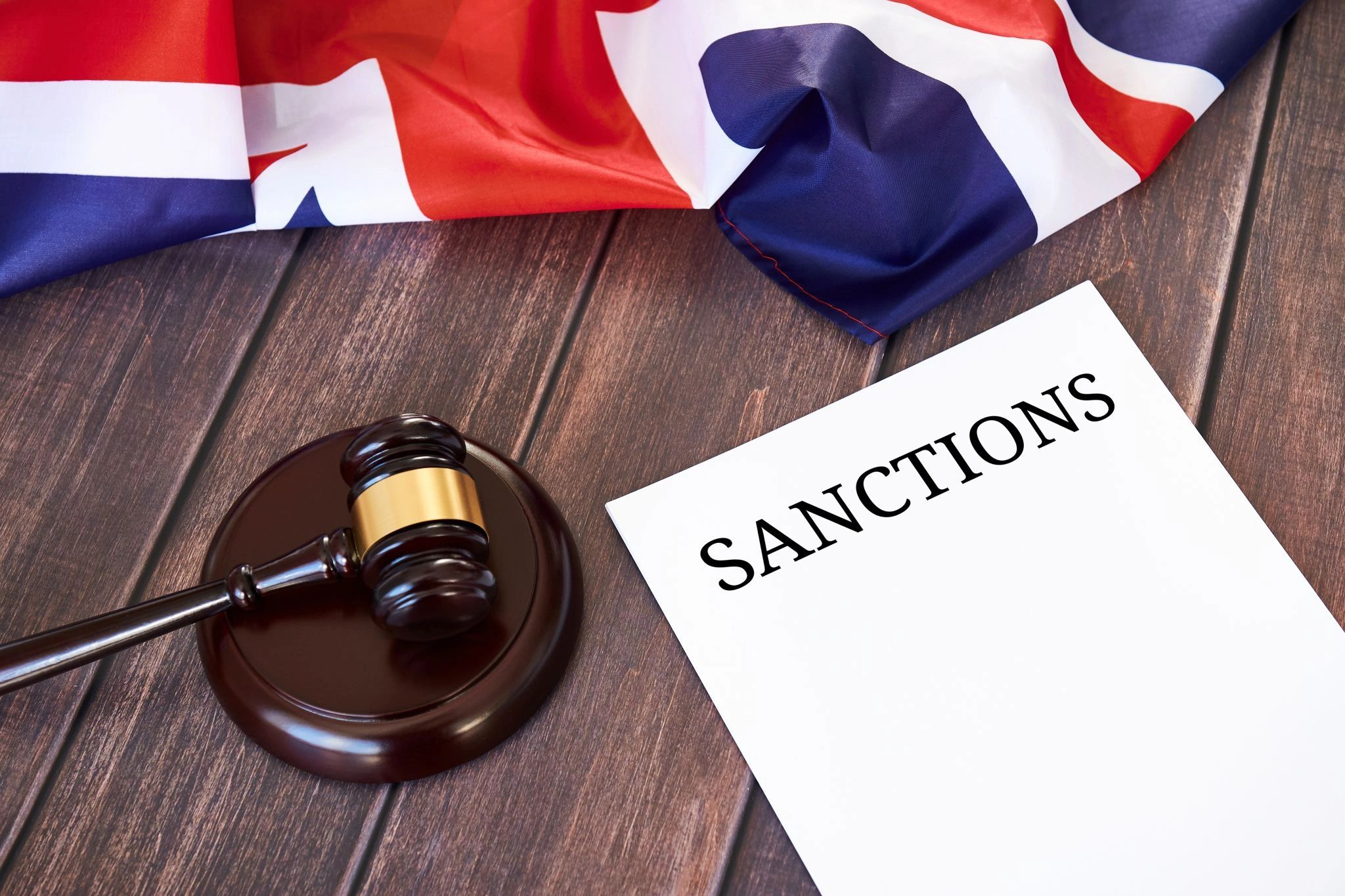
itigate risks and ensure that they do not fall foul of regulations. Remaining informed, diligent, and proactive will be key in maintaining compliance while pursuing opportunities in this complex market.
Additional Resources
For further information and resources on Burma sanctions, consider consulting with regulatory agencies, compliance experts, and legal professionals who specialize in international trade. Staying informed through reliable resources can help businesses navigate this challenging environment effectively.